respiratory system

PPTX 30 pages 9.5 MB Free download

Page preview (5 pages)

Scroll down 👇
1 / 30
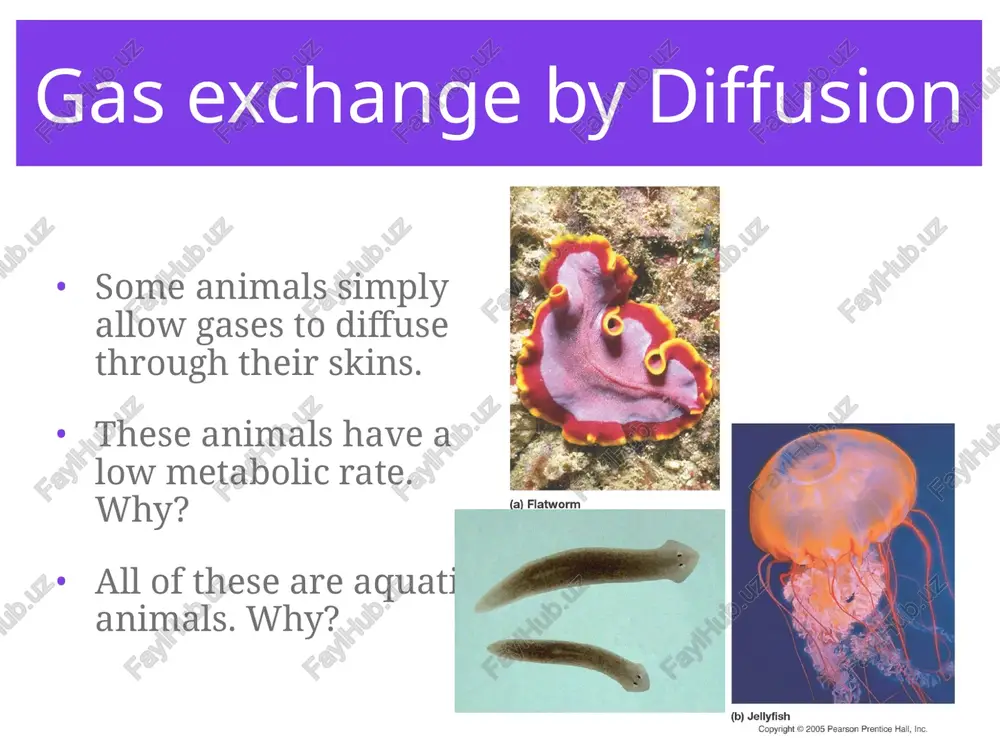
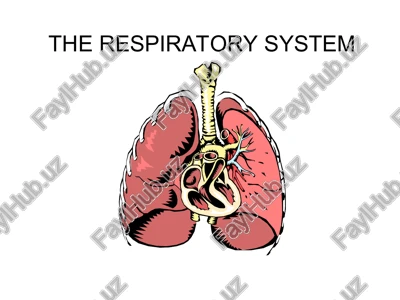
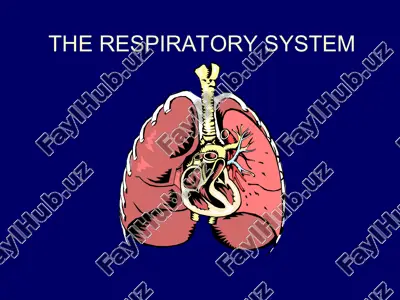
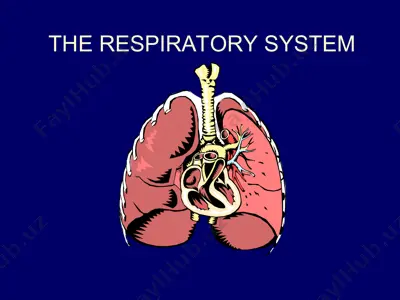
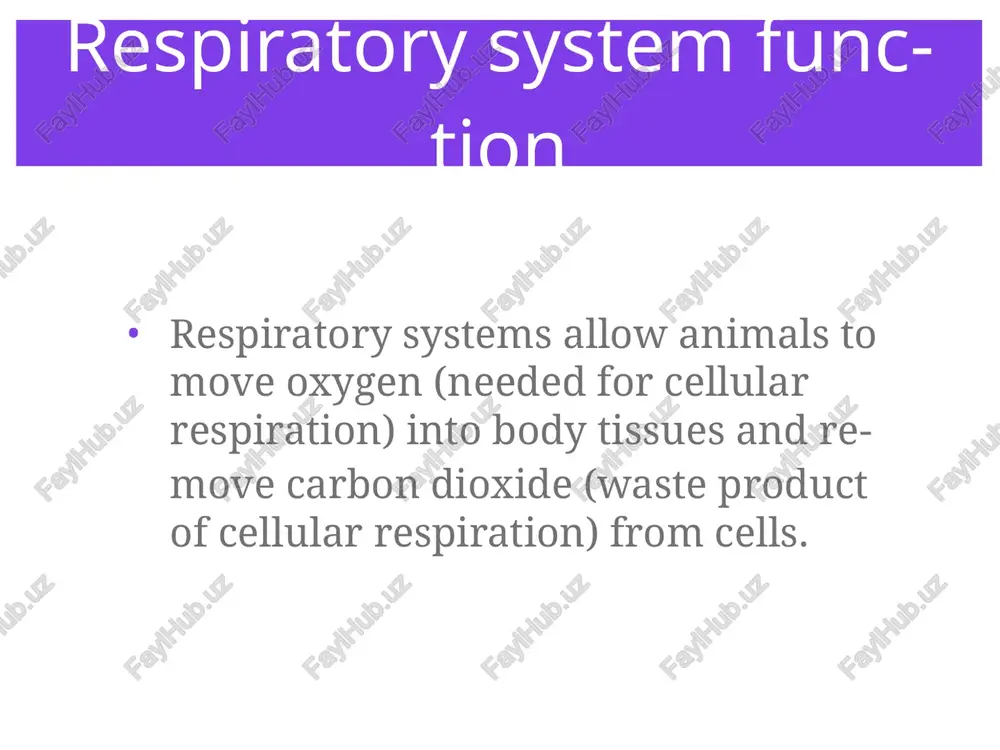
respiratory system respiratory system gas exchange muhammadjonov boburmirzo 19-gruppa why do we breathe? think of all the reasons why we need a respiratory system. w o r k t o g e t h e r warning: terminology! “respiration” is used several different ways: cellular respiration is the aerobic breakdown of glucose in the mitochondria to make atp. respiratory systems are the organs in animals that exchange gases with the environment. “respiration” is an everyday term that is often used to mean “breathing.” respiratory system function respiratory systems allow animals to move oxygen (needed for cellular respiration) into body tissues and remove carbon dioxide (waste product of cellular respiration) from cells. gas exchange by diffusion some animals simply allow gases to diffuse through their skins. these animals have a low metabolic rate. why? all of these are aquatic animals. why? specialized structures structures specialized for gas exchange include: gills (aquatic …
2 / 30
tercostal muscles contract. during exhalation, these muscles relax. the diaphragm domes upwards. alveoli the alveoli are moist, thin-walled pockets which are the site of gas exchange. a slightly oily surfactant prevents the alveolar walls from collapsing and sticking together. circulation and gas exchange recall the interconnection between circulation and the respiratory system. gas exchange at the lungs and in the body cells moves oxygen into cells and carbon dioxide out. what happens when you breathe in? the rib muscles relax. the diaphragm contracts. air leaves the alveoli. air moves between the chest wall and the lung. premature infants sometimes die of lung collapse and other lung problems. what might preemies be missing? how could this be remedied? w o r k t o g e t h e r in the alveolus the respiratory surface is made up of the alveoli and capillary walls. the walls of the capillaries and …
3 / 30
ite cells. bound to hemoglobin. combined with carbon to make carbon dioxide. dissolved in the plasma. effects of smoking inhaled smoke contains: co2, which affects the co2 diffusion gradient. carcinogenic chemicals that can trigger tumors. toxic nicotine, which paralyzes cilia that normally clean the lungs. gross, isn’t it? emphysema besides cancer, smoking can also lead to emphysema. alveoli become dry and brittle, and eventually rupture. both active and passive smoking (“second-hand” smoke) can lead to can lead to lung problems. all types of smoke, not just tobacco, can cause cancers and emphysema. cystic fibrosis cystic fibrosis is one of the most common inherited disorders in the caucasian population in the u.s. cf is caused by mutation of a single gene, the cftr gene, which controls salt balance in the lungs. cystic fibrosis a normal cftr protein regulates the amount of chloride ions across the cell membrane of lung cells. if …
4 / 30
.png image13.jpeg image14.emf image15.jpeg image16.png image17.png image18.png image19.emf image20.emf image21.png image22.png image23.png image24.png image25.png image26.png image27.png image28.emf (a) flatworm copyright © 2005 pearson prentice hall, inc. s = s i q gs — branch of pulmonary vein lymphatic vessel capillary : alveoli network copyright © 2005 pearson prentice hall, inc. il oxygenated blood lat deoxygenated blood @ gases move in and out of the lungs by breathing (2) o, and co, are exchanged in the lungs by diffusion (3) gases dissolved in the blood are transported by the circulatory system © 0, and co, are exchanged in the tissues by diffusion © 2011 pearson education, inc. 1234 25%25%25%25% to the pulmonary vein from the pulmonary "~—"n\ capillary alveolar membrane respiratory membrane surfactant fluid oxygen diffuses into carbon dioxide diffuses the red blood cells into the alveolus © 2011 pearson education, inc. oily surfactant alveolar epithelial cell 2 air in alveolus …
5 / 30
respiratory system - Page 5

Want to read more?

Download all 30 pages for free via Telegram.

Download full file

About "respiratory system"

respiratory system respiratory system gas exchange muhammadjonov boburmirzo 19-gruppa why do we breathe? think of all the reasons why we need a respiratory system. w o r k t o g e t h e r warning: terminology! “respiration” is used several different ways: cellular respiration is the aerobic breakdown of glucose in the mitochondria to make atp. respiratory systems are the organs in animals that exchange gases with the environment. “respiration” is an everyday term that is often used to mean “breathing.” respiratory system function respiratory systems allow animals to move oxygen (needed for cellular respiration) into body tissues and remove carbon dioxide (waste product of cellular respiration) from cells. gas exchange by diffusion some animals simply allow gases …

This file contains 30 pages in PPTX format (9.5 MB). To download "respiratory system", click the Telegram button on the left.
Tags: respiratory system PPTX 30 pages Free download Telegram