introduction to simultaneous translation

PPTX 42 pages 3.0 MB Free download

Page preview (5 pages)

Scroll down 👇
1 / 42
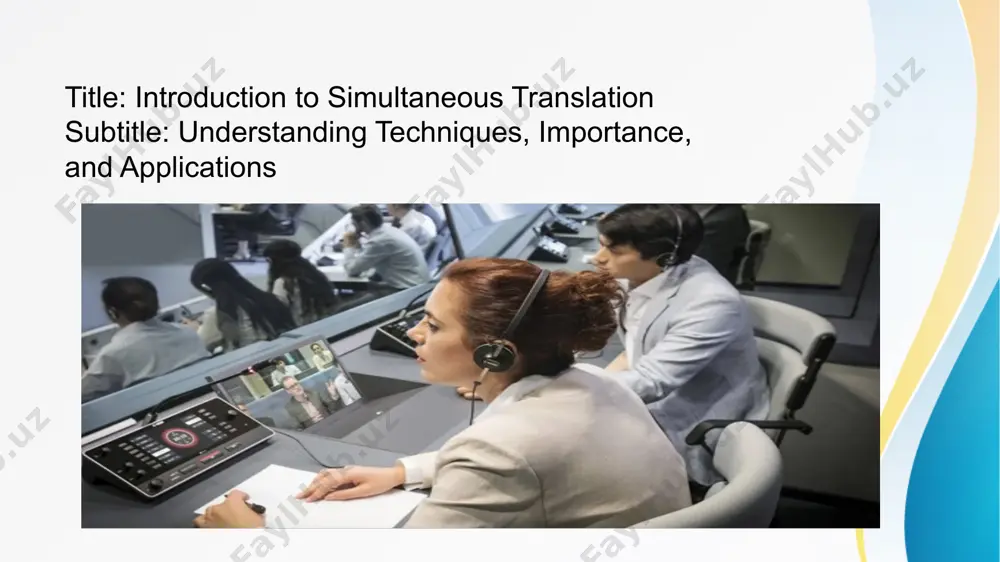
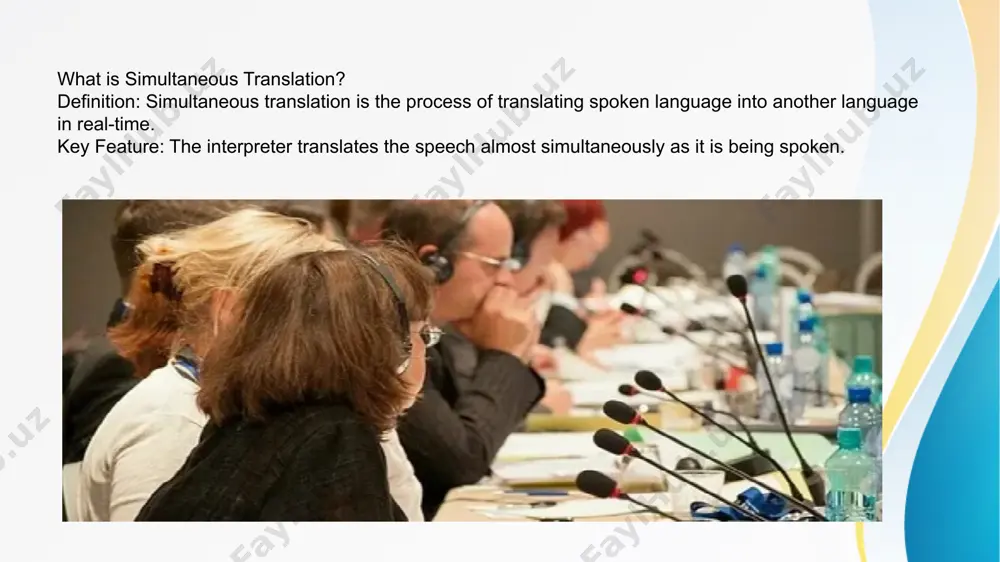
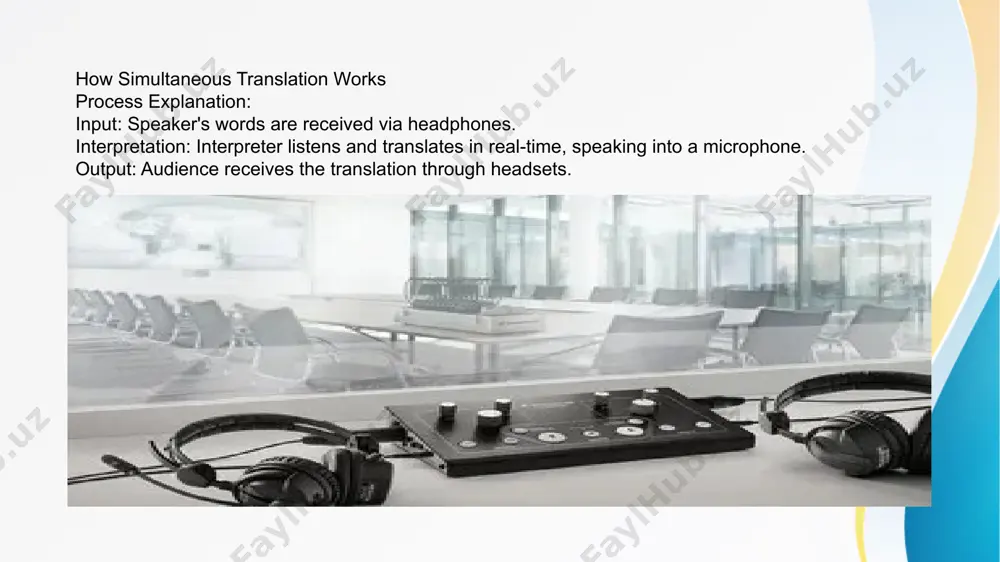
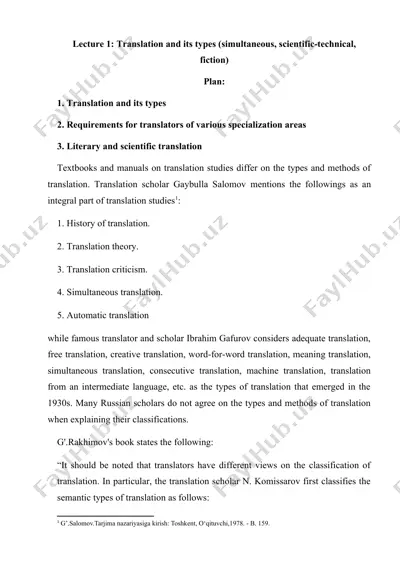
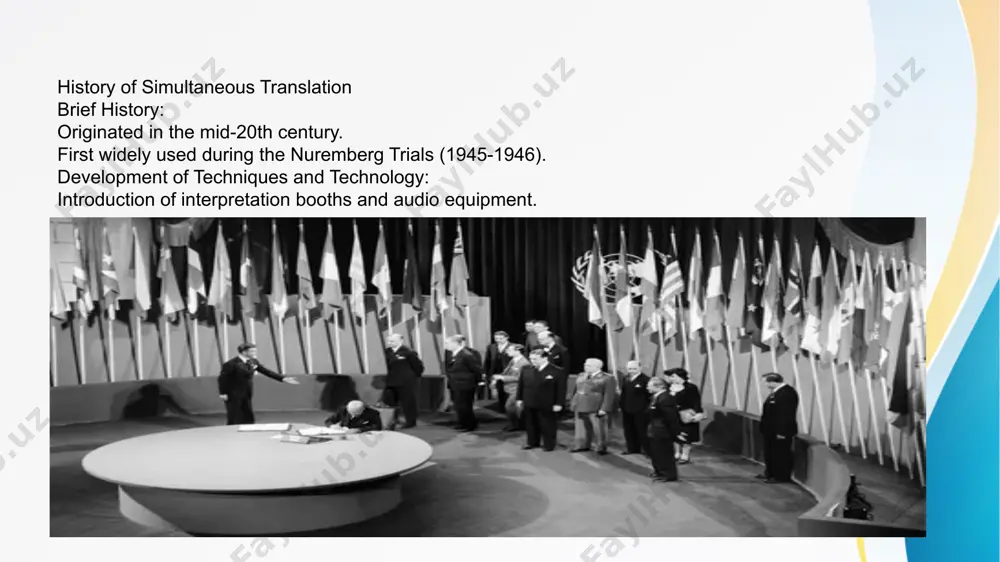
cat tools introduction to silultaneous translation title: introduction to simultaneous translation subtitle: understanding techniques, importance, and applications what is simultaneous translation? definition: simultaneous translation is the process of translating spoken language into another language in real-time. key feature: the interpreter translates the speech almost simultaneously as it is being spoken. history of simultaneous translation brief history: originated in the mid-20th century. first widely used during the nuremberg trials (1945-1946). development of techniques and technology: introduction of interpretation booths and audio equipment. how simultaneous translation works process explanation: input: speaker's words are received via headphones. interpretation: interpreter listens and translates in real-time, speaking into a microphone. output: audience receives the translation through headsets. techniques in simultaneous translation listening techniques: anticipation: predicting the speaker’s next words. note-taking: using symbols and abbreviations for speed. interpretation techniques: reformulation: restating the message in the target language. decoding: understanding idiomatic expressions and cultural context. skills required …
2 / 42
and stress. dealing with accents and dialect variations. strategies for overcoming challenges: regular practice and training. effective time management. simultaneous interpreting, i.e. interpreting almost immediately as the speaker produces the text (the interpreter can lag behind the speaker not more than 2 or 3 seconds), came into life much later, at the nuremberg trials (1945-1946) and tokyo trials (1946-1948) of war criminals, though some attempts had been made in the late 1920s and the early 1930s. in the ussr, simultaneous interpreting was first introduced at the 6th congress of the communist international in 1928, with the interpreters sitting in the front row of the conference hall trying to catch speakers’ words coming from the rostrum, and talking into heavy microphones hanging on strings from their necks. simultaneous interpreting gained ground at the united nations organization that began the era of multilateral diplomacy. today’s simultaneous interpreters work in a special booth, …
3 / 42
pers his/her translation to them. this type of translation is often used in a business meeting. the simultaneous interpreter can get the source text in written form, which does not make his/her job easier, since the interpreter has to do simultaneously three jobs: read, listen and interpret. it is a most strenuous task, for the interpreter has to be watchful of the speaker deviating from the text. advantages of simultaneous translation. there are the following advantages in contrast to the consistent translation method of simultaneous translation: - the speech of the speaker is carried out without interruptions. this allows the speaker to hold the audience's attention while being able to sense the reaction and mood of the tinglivists. - the time of holding the event is almost twice as short as when using a consistent translation. -the convenience side for participants is that learning a foreign language is not uncommon …
4 / 42
, critics doubted its acceptability. but immediately after the demonstration of synchronous translation capabilities, programs for the preparation of synchronous translators were developed. in practice, three types (variants) of interpreter preparation are observed: 1.yodaki (heard) simultaneous translation. in this, the translator performs the translation by blocking, depending on the descent of information, receiving the speaker's continuous speech through the ears. this is the most common and most complex condition. 2.simultaneous translation depending on the text without prior preparation or preparation. the interpretor receives the text of the written speech of the speaker in advance and performs the translation in accordance with the materials presented. 3 reading of pre-translated text.the interpreter reads the text prepared earlier in the wake of the speaker's speech. in permissible places, the speaker makes the necessary adjustments if he deviates from the initial text during his speech. lenovo (l) - thank you! image3.png image4.png image5.png image6.png …
5 / 42
introduction to simultaneous translation - Page 5

Want to read more?

Download all 42 pages for free via Telegram.

Download full file

About "introduction to simultaneous translation"

cat tools introduction to silultaneous translation title: introduction to simultaneous translation subtitle: understanding techniques, importance, and applications what is simultaneous translation? definition: simultaneous translation is the process of translating spoken language into another language in real-time. key feature: the interpreter translates the speech almost simultaneously as it is being spoken. history of simultaneous translation brief history: originated in the mid-20th century. first widely used during the nuremberg trials (1945-1946). development of techniques and technology: introduction of interpretation booths and audio equipment. how simultaneous translation works process explanation: input: speaker's words are received via headphones. interpretation: interpreter list...

This file contains 42 pages in PPTX format (3.0 MB). To download "introduction to simultaneous translation", click the Telegram button on the left.
Tags: introduction to simultaneous tr… PPTX 42 pages Free download Telegram