semantic change: types and historical overview

DOCX 39 стр. 62,6 КБ Бесплатная загрузка

Предварительный просмотр (5 стр.)

Прокрутите вниз 👇
1 / 39
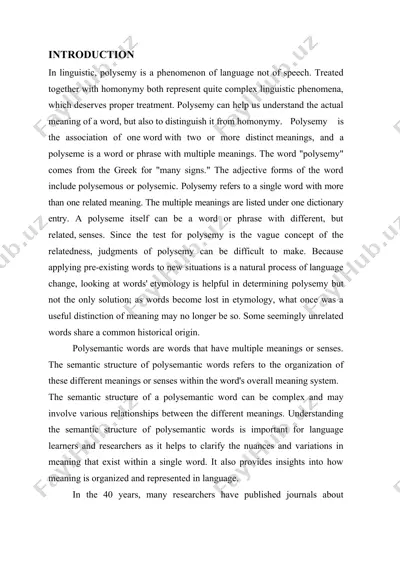
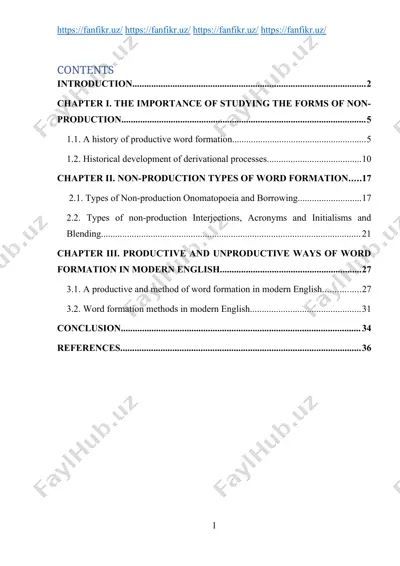
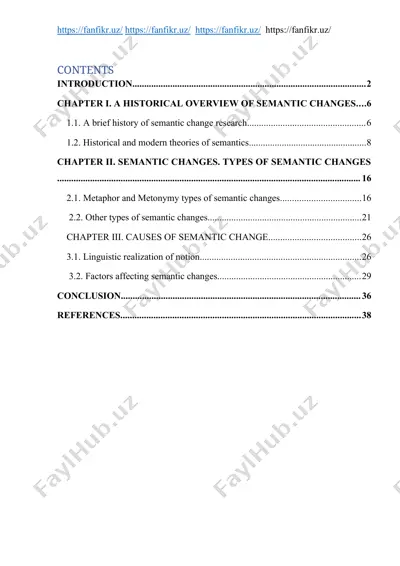
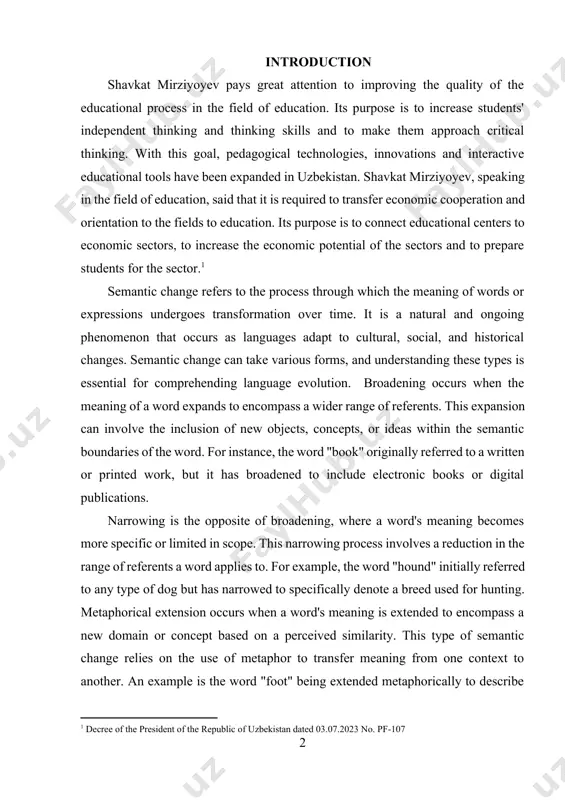
https://fanfikr.uz/ https://fanfikr.uz/ https://fanfikr.uz/ https://fanfikr.uz/ contents introduction 3 chapter i. a historical overview of semantic changes 7 1.1. a brief history of semantic change research 7 1.2. historical and modern theories of semantics 9 chapter ii. semantic changes. types of semantic changes 17 2.1. metaphor and metonymy types of semantic changes 17 2.2. other types of semantic changes 22 chapter iii. causes of semantic change 27 3.1. linguistic realization of notion 27 3.2. factors affecting semantic changes 30 conclusion 37 references 39 introduction shavkat mirziyoyev pays great attention to improving the quality of the educational process in the field of education. its purpose is to increase students' independent thinking and thinking skills and to make them approach critical thinking. with this goal, pedagogical technologies, innovations and interactive educational tools have been expanded in uzbekistan. shavkat mirziyoyev, speaking in the field of education, said that it is required to transfer economic cooperation …
2 / 39
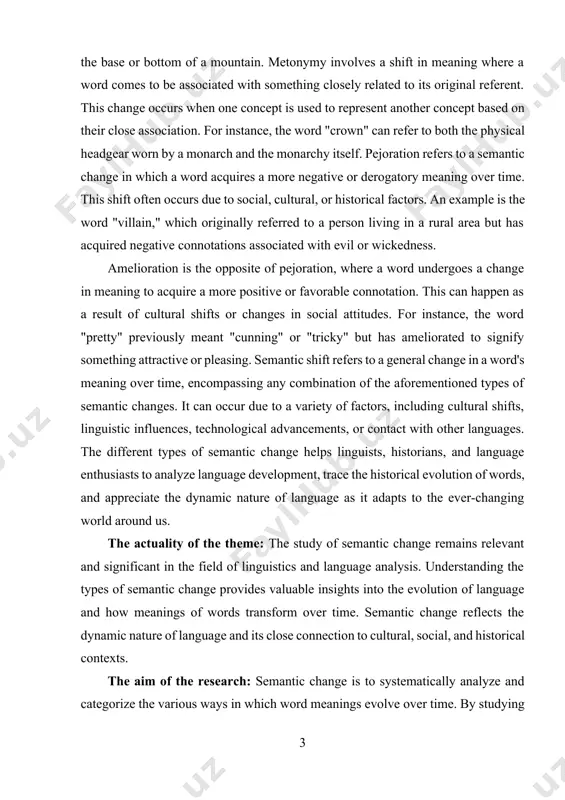
or printed work, but it has broadened to include electronic books or digital publications. narrowing is the opposite of broadening, where a word's meaning becomes more specific or limited in scope. this narrowing process involves a reduction in the range of referents a word applies to. for example, the word "hound" initially referred to any type of dog but has narrowed to specifically denote a breed used for hunting. metaphorical extension occurs when a word's meaning is extended to encompass a new domain or concept based on a perceived similarity. this type of semantic change relies on the use of metaphor to transfer meaning from one context to another. an example is the word "foot" being extended metaphorically to describe the base or bottom of a mountain. metonymy involves a shift in meaning where a word comes to be associated with something closely related to its original referent. this change …
3 / 39
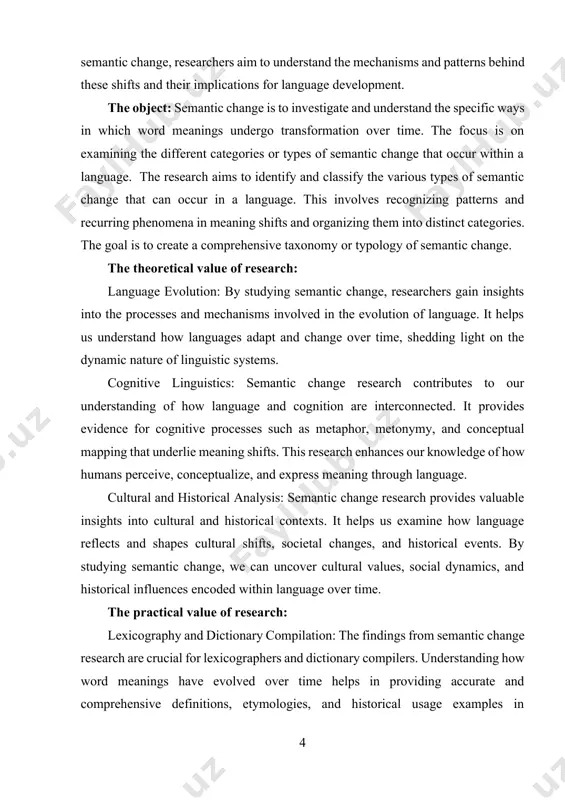
o a variety of factors, including cultural shifts, linguistic influences, technological advancements, or contact with other languages. the different types of semantic change helps linguists, historians, and language enthusiasts to analyze language development, trace the historical evolution of words, and appreciate the dynamic nature of language as it adapts to the ever-changing world around us. the actuality of the theme: the study of semantic change remains relevant and significant in the field of linguistics and language analysis. understanding the types of semantic change provides valuable insights into the evolution of language and how meanings of words transform over time. semantic change reflects the dynamic nature of language and its close connection to cultural, social, and historical contexts. the aim of the research: semantic change is to systematically analyze and categorize the various ways in which word meanings evolve over time. by studying semantic change, researchers aim to understand the mechanisms …
4 / 39
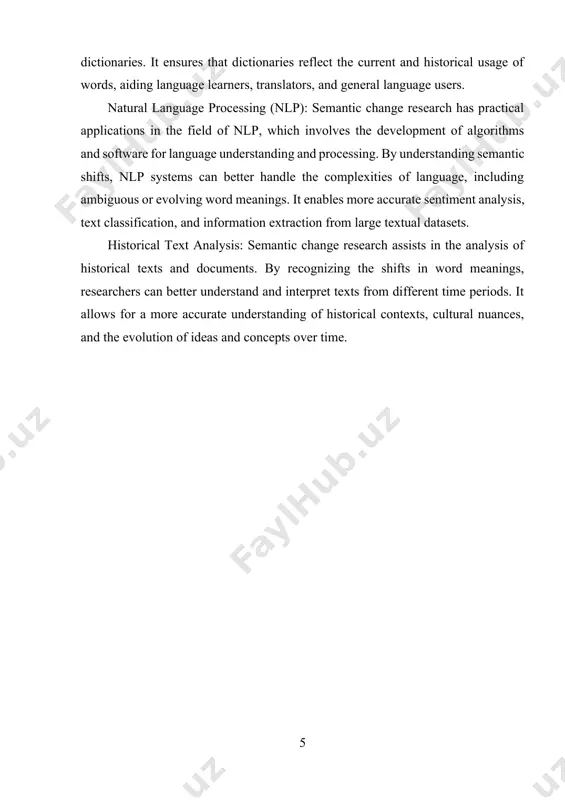
: semantic change research contributes to our understanding of how language and cognition are interconnected. it provides evidence for cognitive processes such as metaphor, metonymy, and conceptual mapping that underlie meaning shifts. this research enhances our knowledge of how humans perceive, conceptualize, and express meaning through language. cultural and historical analysis: semantic change research provides valuable insights into cultural and historical contexts. it helps us examine how language reflects and shapes cultural shifts, societal changes, and historical events. by studying semantic change, we can uncover cultural values, social dynamics, and historical influences encoded within language over time. the practical value of research: lexicography and dictionary compilation: the findings from semantic change research are crucial for lexicographers and dictionary compilers. understanding how word meanings have evolved over time helps in providing accurate and comprehensive definitions, etymologies, and historical usage examples in dictionaries. it ensures that dictionaries reflect the current and historical …
5 / 39
tural nuances, and the evolution of ideas and concepts over time. chapter i. a historical overview of semantic changes 1.1. a brief history of semantic change research semantics is the philosophical and scientific study of meaning in natural and artificial languages. the term is one of a group of english words derived from various derivatives of the greek verb sēmainō ("to mean" or "to point"). noun semantics and adjective semantics are derived from sēmantikos ("important"); semiotics (adjective and noun) comes from sēmeiōtikos ("pertaining to signs"); semiology from sēma ("sign") + logos ("account"); and semasiology from sēmasia ("meaning") + logos. it is difficult to formulate a separate definition for each of these terms, because their use is consistent in the literature, despite individual preferences. the word semantics eventually came to dominate as the name for the study of meaning, specifically linguistic meaning. semiotics is still used to denote a broader field: …

Хотите читать дальше?

Скачайте все 39 страниц бесплатно через Telegram.

Скачать полный файл

О "semantic change: types and historical overview"

https://fanfikr.uz/ https://fanfikr.uz/ https://fanfikr.uz/ https://fanfikr.uz/ contents introduction 3 chapter i. a historical overview of semantic changes 7 1.1. a brief history of semantic change research 7 1.2. historical and modern theories of semantics 9 chapter ii. semantic changes. types of semantic changes 17 2.1. metaphor and metonymy types of semantic changes 17 2.2. other types of semantic changes 22 chapter iii. causes of semantic change 27 3.1. linguistic realization of notion 27 3.2. factors affecting semantic changes 30 conclusion 37 references 39 introduction shavkat mirziyoyev pays great attention to improving the quality of the educational process in the field of education. its purpose is to increase students' independent thinking and thinking skills and to make them app...

Этот файл содержит 39 стр. в формате DOCX (62,6 КБ). Чтобы скачать "semantic change: types and historical overview", нажмите кнопку Telegram слева.

Теги: semantic change: types and hist… DOCX 39 стр. Бесплатная загрузка Telegram